Imbolc Meaning & Spiritual Cleansing
Jan 29, 2026Ancient Celtic Wisdom for Renewal, Energy Clearing & Self Care
Imbolc is an ancient Celtic seasonal festival celebrated around February 1–2, marking the midpoint between the Winter Solstice and Spring Equinox. Traditionally associated with cleansing, renewal, and the return of light, Imbolc invites a gentle reset of the home, body, and inner world as winter begins to soften and new life stirs beneath the surface.
What Is Imbolc?
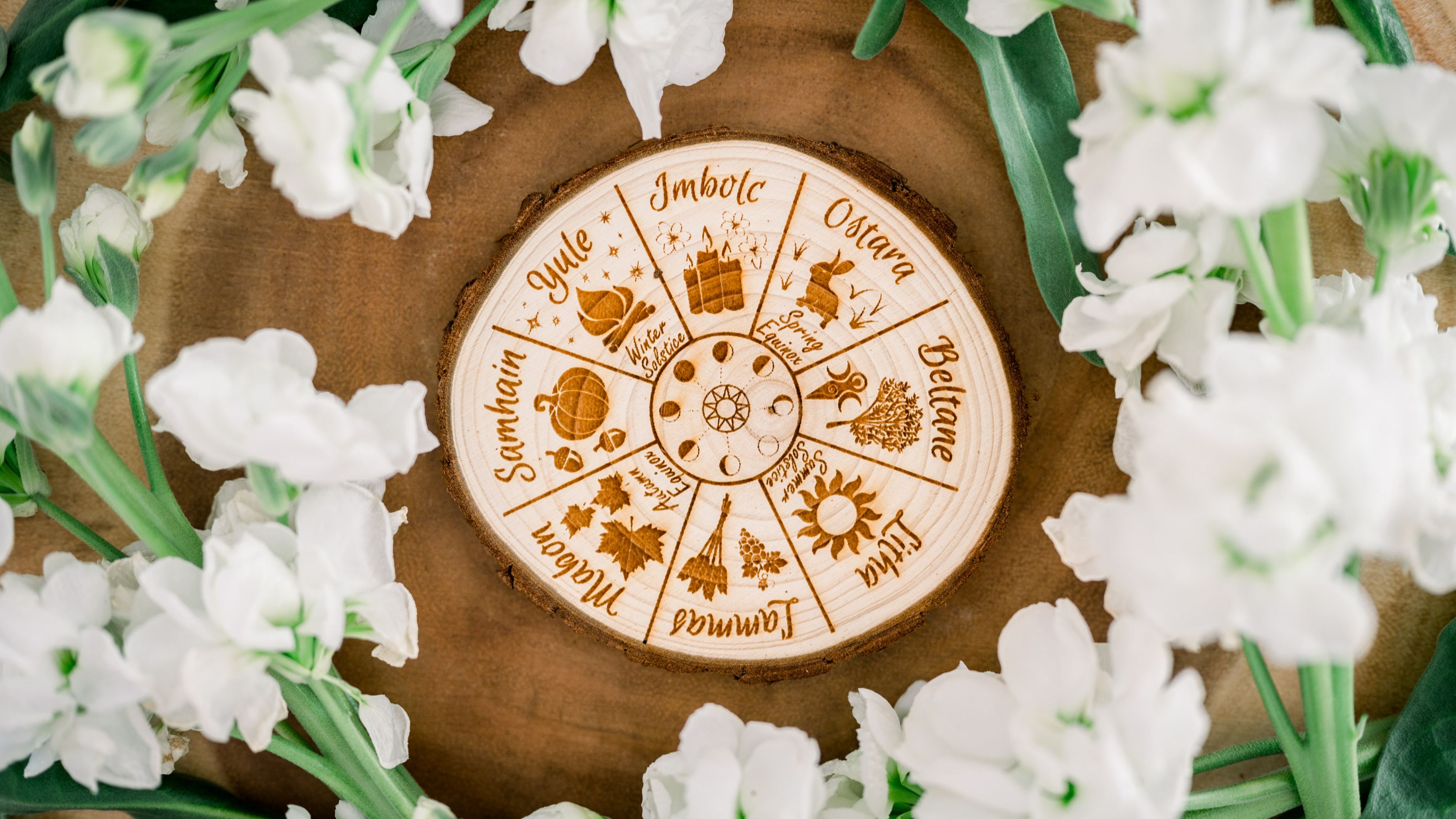
Imbolc is one of the eight festivals of the Celtic Wheel of the Year. It arrives quietly, long before spring is visible, and focuses on preparation rather than performance. Historically, this was a time of tending hearth fires, honoring fresh water sources, and checking in with what needed care before the growing season began.
Rather than celebrating what has already bloomed, Imbolc honors what is warming, forming, and becoming possible.
In modern life, Imbolc serves as a seasonal pause — a moment to clear stagnation, simplify routines, and listen inward as momentum slowly returns.
The Wheel of the Year & Why Seasonal Cycles Matter
The Wheel of the Year reflects humanity’s long-standing relationship with seasonal change. Long before modern calendars and artificial lighting, people organized life around the natural rhythm of the land — planting, resting, harvesting, and restoring in harmony with the seasons.
From a biological perspective, humans are also shaped by circannual rhythms — natural cycles that unfold across the year. These rhythms influence energy levels, mood, immune function, and how the body moves between periods of rest and activity. As daylight shifts and seasons change, the body subtly adjusts, even when modern life encourages consistency year-round.
Seasonal traditions like the Wheel of the Year offered structure and reassurance during these transitions. They provided shared moments to pause, reflect, and recalibrate, helping communities stay in sync with both the land and their inner landscape.
Imbolc sits at an important turning point within this cycle. Light is returning, yet winter’s pace still lingers. Rather than rushing forward, this moment invites awareness — noticing what is warming, what is stirring, and what is preparing to grow.
Honoring seasonal cycles supports a steadier relationship with change. It reminds us that movement happens in phases, and readiness emerges gradually, shaped by timing rather than force.
St. Brigid & the Wisdom of the Inner Hearth
Imbolc is traditionally associated with Brigid — a figure whose presence spans both ancient Celtic tradition and early Christianity. In pre-Christian Ireland, Brigid was honored as a goddess connected to fire, healing, and creative wisdom. As Ireland transitioned into Christianity, her stories did not disappear; instead, they evolved into the life of St. Brigid of Kildare, preserving many of the same symbols, values, and seasonal rhythms.
This continuity is part of why Brigid remains so closely tied to Imbolc. The festival itself marks a threshold — winter easing, light returning, life stirring beneath the surface. Brigid’s associations reflect this moment of preparation and care before growth becomes visible.
Across both traditions, Brigid is connected with:
-
hearth fire and warmth
-
healing waters and sacred wells
-
creativity, craft, and inspired work
These themes are practical as much as spiritual. The hearth was the center of the home. Water wells were sources of life and healing. Creative skill ensured survival, beauty, and continuity. Brigid’s wisdom lives in the act of tending — keeping the flame steady, the water clear, and the work meaningful.
Rather than hierarchy or devotion, Brigid’s symbolism points to relationship: between warmth and care, between patience and becoming, between inner life and outer expression.
In modern embodiment, Brigid represents our inner hearth — the place within where energy is stabilized, ideas are nurtured, and healing unfolds over time. She lives not as a distant figure, but as a reminder of what it means to tend what matters, especially during seasons of transition.
Imbolc as a Time for Energy Cleansing
Cleansing practices around Imbolc were historically simple and practical:
-
tidying the home
-
refreshing water sources
-
lighting candles
-
preparing tools for the season ahead
Today, energy cleansing during Imbolc can be understood as clearing what feels heavy or outdated, both internally and externally.
This isn’t about fixing or forcing change. It’s about making space.
Common Imbolc-aligned practices include:
-
light decluttering
-
gentle body care
-
breath awareness
-
energy hygiene practices
-
grounding rituals with water and flame
The Nervous System & Seasonal Transition
Late winter can feel deceptively difficult. Light is increasing, yet the body may still crave rest. This mismatch often shows up as:
-
restlessness
-
low motivation
-
emotional sensitivity
-
mental fog
Imbolc supports regulation by validating this in-between state. The season encourages gentle clearing and stabilization rather than immediate action.
Practices that support the nervous system during Imbolc focus on safety, warmth, and consistency.
A Supportive Imbolc Energy Cleansing Meditation
To support this seasonal shift, I recommend my grounding, full-body energy cleanse that gently clears stagnation and restores coherence to the energy field.
Daily Energy Cleansing Guided Meditation | Full Body, Chakra & Aura Cleanse | 741 Hz Cell Repair
This meditation pairs naturally with Imbolc because it:
-
supports energetic release without urgency
-
restores a sense of inner warmth and steadiness
-
aligns with themes of purification and renewal
It can be practiced anytime during the Imbolc window or whenever a reset feels supportive.
How to Work With Imbolc in Modern Life
You don’t need elaborate rituals to honor Imbolc. Small, intentional actions carry just as much meaning.
Consider:
-
lighting a candle with awareness
-
blessing water before drinking or bathing
-
simplifying one area of your home
-
setting a gentle seasonal intention
-
tending your body with warmth and care
Imbolc asks for presence, not productivity.
Looking Ahead: From Imbolc to Ostara
As the Wheel of the Year continues to turn, Imbolc prepares us for Ostara, the Spring Equinox — when balance returns and growth becomes visible.
What is warmed now begins to rise later.
Imbolc reminds us that emergence starts quietly.
People Also Ask About Imbolc & Brigid
What is Imbolc and why is it celebrated?
Imbolc is a seasonal festival celebrated around February 1–2, marking the midpoint between the Winter Solstice and the Spring Equinox. It honors the return of light, early signs of renewal, and the transition from winter rest toward growth. Historically, it was a time for purification, preparation, and tending the hearth.
Who is Brigid and why is she associated with Imbolc?
Brigid is a figure rooted in ancient Celtic tradition who later became known as Saint Brigid in early Christianity. She is associated with hearth fire, healing waters, creativity, and care — all themes connected to Imbolc’s focus on preparation, warmth, and renewal. Her presence bridges seasonal wisdom across both traditions.
Is Imbolc a pagan or Christian holiday?
Imbolc originates from pre-Christian Celtic tradition, but many of its symbols and practices carried into Christian observance through Saint Brigid. This blending reflects how seasonal rituals adapted over time while preserving their connection to land, light, and community care.
What does Imbolc represent spiritually?
Spiritually, Imbolc represents readiness rather than action. It marks a period of inner preparation, gentle clearing, and tending what is beginning to stir. The focus is on creating supportive conditions for growth rather than forcing change.
How can I honor Imbolc in modern life?
Imbolc can be honored through simple, intentional actions such as lighting a candle, refreshing your space, blessing water, setting seasonal intentions, or practicing energy cleansing. These practices support clarity, warmth, and steadiness during the seasonal shift.
How does Imbolc support energy cleansing?
Imbolc aligns with cleansing because it marks a natural pause between rest and renewal. Energy cleansing during this time focuses on releasing stagnation, restoring balance, and preparing the body and mind for gradual movement forward.
What comes after Imbolc on the Wheel of the Year?
After Imbolc, the Wheel of the Year moves toward Ostara, the Spring Equinox. Ostara represents balance, emergence, and visible growth, building upon the preparation and inner tending that begins at Imbolc.
With Infinite Love & Gratitude
Seasonal wisdom lives through lived experience. When we move with the cycles rather than against them, we build trust with ourselves, our energy, and our timing.
Imbolc offers that invitation — softly, steadily, and without rush.
I’ll see you under the Moon and Stars.
— Crystal
Crystal Heinemann is the founder and CEO of The Psychic Soul, a spiritual wellness brand and app offering guided meditations, intuition development, and a heart-centered community with weekly live workshops and lunar cycle practices. Her work supports emotional regulation, stress relief, and energy mastery—helping people take responsibility for their energetic input and output so they can live from overflow, not survival.